Last Updated: October 30, 2026
Quick Summary
To minimize disruption during home renovations, plan early: decide whether to stay home or move out, seal the work zone against dust, set up a temporary kitchen, and agree on a communication plan. Map each phase's disruption and budget separately for temporary housing, meals and cleaning.
- Move out if the kitchen or only full bathroom will be out of service for more than a few days.
- Seal the work area with plastic sheeting and run a HEPA air purifier in nearby rooms.
- Set up a temporary kitchen with a mini fridge, microwave and a sink substitute.
- Agree on one point person, a weekly update schedule and a written change-request process.
- Keep a separate disruption budget for temporary housing, meals, storage and cleaning.
Table of Contents
- Why Disruption Happens and What You Can Control
- Deciding Whether to Stay Home or Move Out
- Planning Living in Your Home During Renovation
- Controlling Home Renovation Dust Control Across the House
- Building a Renovation Project Communication Plan
- Mapping a Phase-by-Phase Disruption Plan
- Creating a Realistic Home Renovation Timeline and Schedule
- Budgeting for Disruption Costs and Surprises
- Booking Your Renovation Consultation With General Construction Pro
- Frequently Asked Questions
Why Disruption Happens and What You Can Control
Renovation disruption is not random. Dust, noise, blocked rooms, and daily routine changes follow predictable patterns, and most of them can be planned for. Homeowners who plan early for home renovations generally handle the work better than those who react as problems appear.
Disruption comes from three sources: the work itself, the schedule, and the way information moves between you and the crew. You cannot stop sawing or demolition from making noise. You can control when it happens, where it happens, and how quickly you hear about changes.
What you can control:
- The order of work and which rooms are opened first
- How and where dust is contained
- Who communicates with you, and how often
- How much of your home stays usable each day
Start by writing down what matters most to your household. A working kitchen might matter more than a finished bathroom. Clear priorities make every later decision easier.
Deciding Whether to Stay Home or Move Out
Staying home can be cheaper on paper, but it is not always easier or safer. Our home renovation planning guide covers day-to-day living while work is underway. The right call depends on which rooms are out of service, how long each phase lasts, and who lives in the house. Use the checklist below to make the decision before demolition starts, not in the middle of it.
When staying home usually works
- The work is confined to one or two rooms that are not the kitchen or the only bathroom
- Water and power stay on in at least one bathroom and one food-prep area
- No household member has a health condition that dust or fumes would aggravate
- You can seal the work zone with plastic sheeting and keep a clean path to bedrooms
- The project schedule shows no phase longer than a few weeks without a working kitchen or bath
When moving out is the safer choice
- The kitchen or the only full bathroom will be out of service for more than a few days
- The project involves whole-house systems: re-piping, a panel upgrade, HVAC replacement, or a full electrical rewire
- Anyone in the home has asthma, COPD, a compromised immune system, or is pregnant
- There are infants, toddlers, or pets that cannot be reliably kept out of the work zone
- A household member uses a wheelchair, walker, or other mobility aid and the only accessible route will be blocked
- The scope includes hazardous materials: lead paint in a pre-1978 home, asbestos in older flooring or insulation, or mold from water damage
The utility-outage test
Walk through the house and list every utility the project will interrupt: water, hot water, electricity to specific circuits, heat, air conditioning, and internet. For each one, note how many days it will be off and whether a backup exists. A working half-bath and a temporary kitchen can carry a family through a kitchen remodel. A multi-day water shutoff with no second bathroom cannot.
The hybrid plan
Many households split the project. They stay home during design, permitting, and finish work, then move out for demolition, rough-in, and any phase with heavy dust or a utility shutoff. Ask your contractor to flag the two or three phases that will be hardest on daily life, then price short-term housing for just those weeks.
What to confirm before you decide
- Get the phase schedule in writing and mark the days each utility is off
- Ask whether the crew will install a temporary sink or a temporary laundry hookup
- Confirm the dust-barrier plan and whether negative air pressure will be used
- Check your homeowner's insurance policy for loss-of-use coverage that may pay for temporary housing during a covered peril
- Line up a backup plan, a relative's spare room, a weekly rental, or a hotel with a kitchenette, before you need it
Planning Living in Your Home During Renovation
Living through a renovation works best when you set up your home for the work instead of hoping you can ignore it. Plan the daily routine before the first day of demolition.
Decide which spaces stay off-limits and mark them clearly. Choose one clean route from the entrance to your bedroom, and keep it free of tools and materials. Set up a small staging area for your own items, such as a tote with work clothes, chargers, and medications.
Setting Up a Temporary Kitchen
A temporary kitchen is one of the most useful tools you can build. Even a simple setup keeps meals on schedule and cuts down on takeout.
Use a spare room, a garage corner, or a section of the dining room. Include:
Free estimates: (609) 933-9324 →
- A mini fridge or cooler for perishable food
- A microwave, toaster oven, or electric kettle
- A sink substitute, such as a large basin with a water jug
- Disposable plates, a trash bag, and wet wipes
Plan simple meals that need little cleanup. Slow cookers and sheet-pan dinners work well when the main kitchen is out of service.
Protecting Children, Pets, and Older Adults
Renovations pose different risks to different people. Children can reach tools and loose materials quickly. Pets can bolt through open doors. Older adults may struggle with uneven floors, dust, or changed layouts.
- Set up a child-safe zone away from the work area, with toys and books they can reach
- Keep pets in a closed room with a bed, water, and familiar items during demolition days
- Clear walking paths for older adults and add lighting along any changed route
- Schedule loud work for times when sensitive household members are out or resting
Controlling Home Renovation Dust Control Across the House
Dust is the most persistent part of any renovation. It travels through vents, under doors, and into rooms you thought were sealed. Good dust control reduces cleaning later and protects everyone's health.
Start by sealing the work area with plastic sheeting taped to the ceiling, walls, and door frames. Run a portable air purifier with a HEPA filter in the rooms next to the work zone. Close HVAC supply and return vents in the work area so dust does not spread through the ductwork.
Lay drop cloths or floor protection along every path the crew uses. Cover furniture you cannot move, and keep a separate clean area for your own belongings.
Clean daily, not weekly. Damp-wipe surfaces and vacuum with a HEPA-rated vacuum at the end of each workday. The effort pays off in less dust migration and fewer surprises when you walk through the house.
Building a Renovation Project Communication Plan
Most homeowners do not mind disruption as much as they mind not knowing what is happening. A clear communication plan fixes that.
Agree on these details before work starts:
- Point person: One name for you to call, and one for the crew to call
- Update schedule: A weekly walk-through or a Friday text summary
- Change requests: A written process for any scope change, with cost and timeline noted
- Emergency contact: A number for urgent issues such as water or electrical problems
Keep a shared notebook or a simple project log. Record decisions, dates, and approvals. When something changes, you will have a record instead of a memory.
Mapping a Phase-by-Phase Disruption Plan
Most renovations move through predictable phases: demolition, rough-in work (framing, plumbing, electrical), inspections, finishes, and final cleanup. Each phase creates a different kind of disruption.
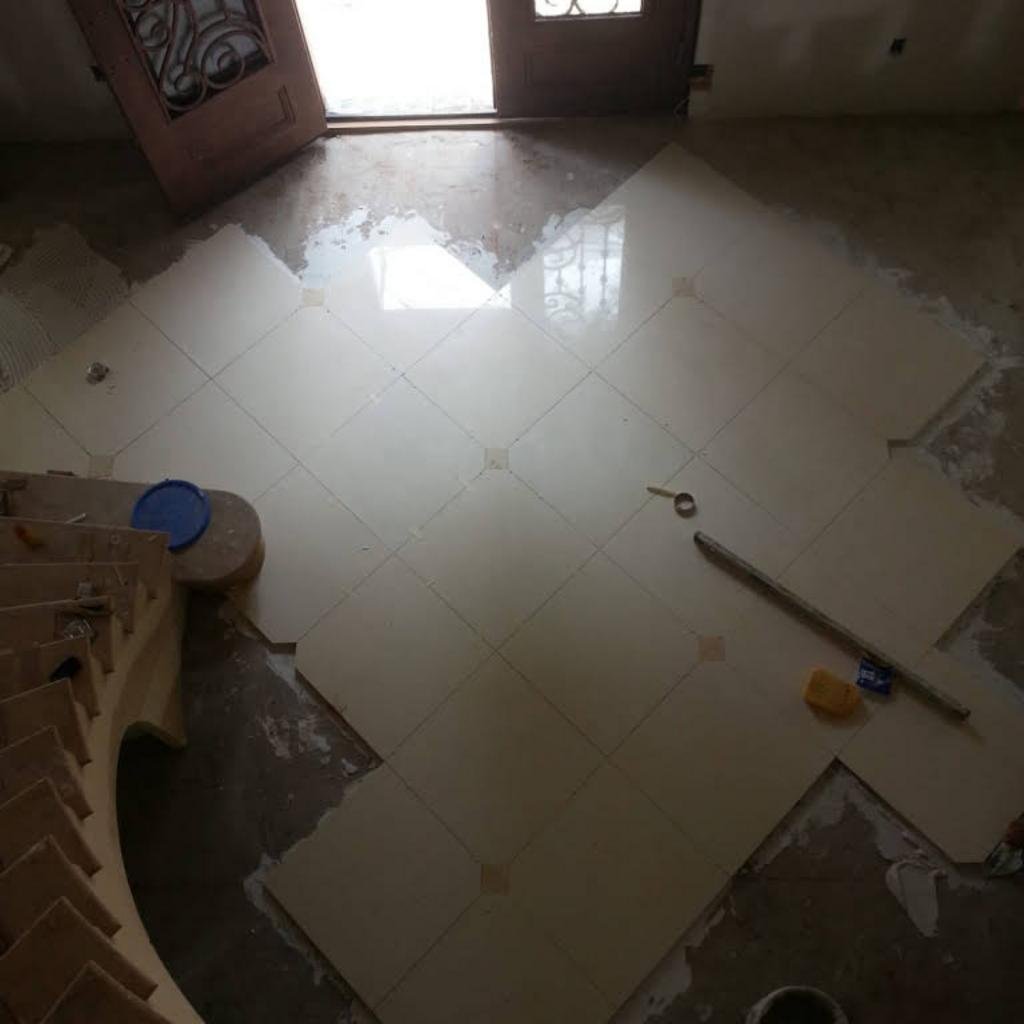
Map your home against these phases before work begins:
- Demolition: Highest noise and dust. Plan to be out or in a sealed space.
- Rough-in: Limited water and power in some areas. Plan alternate bathroom and laundry access.
- Inspections: Short pauses in work. Good time to catch up on your own tasks.
- Finishes: Lower noise, but paint and sealant smells can linger. Ventilate well.
- Final cleanup: Heavy cleaning and fixture installation. Expect one more round of dust.
Ask your contractor to confirm which phase is active each week. If you are coordinating several projects, see our guide to hiring a contractor for multiple projects. That single habit prevents most schedule frustration.
Creating a Realistic Home Renovation Timeline and Schedule
A realistic timeline protects your budget and your patience. Ask for a written schedule with start and end dates for each phase, then compare it with the actual progress each week.
Free estimates: (609) 933-9324 →
Build in buffer time. Permit reviews, material delivery delays, and inspection scheduling can each add days or weeks. Check our New Jersey remodeling permit and approval guide for local approval details that can affect your budget. A timeline that includes a buffer is easier to live with than one that promises perfection.
Define completion clearly before you sign anything. Agree on what "done" means for each room, including final cleaning, punch-list repairs, and fixture installation.
Budgeting for Disruption Costs and Surprises
Disruption has a price, and it rarely appears on the contractor's estimate. Temporary housing, takeout meals, storage, cleaning, and temporary equipment add up over a multi-week project. Build a separate disruption budget before work starts so these costs do not come out of the construction contingency.
The disruption cost categories
- Temporary housing: Weekly rentals, extended-stay hotels, or a family stay. Price the specific weeks your contractor flags as the hardest phases, not the whole project.
- Meals: Takeout and restaurant food while the kitchen is out of service. Track a realistic weekly figure for your household size.
- Storage: A portable storage container or off-site unit for furniture, appliances, and belongings that must leave the work zone.
- Cleaning: A professional deep clean after demolition and again after final cleanup. Dust settles in rooms you thought were sealed.
- Temporary equipment: A mini fridge, microwave, air purifier with a HEPA filter, or space heater for the temporary kitchen and clean zone.
- Laundry and utilities: Higher utility bills from running purifiers and heaters, plus laundromat costs if the washer and dryer are offline.
- Pet care: Daycare or boarding during loud demolition days if pets cannot stay calm in a closed room.
Setting the contingency
Keep two separate reserves: one for construction surprises and one for disruption expenses. Many homeowners keep a separate disruption reserve sized to their household, in addition to a construction contingency. Your own situation may call for more if the project is large, the schedule is tight, or the home is older.
Reading the estimate for hidden disruption costs
When you compare contractor estimates, look past the total. Our guide to comparing remodeling estimates in New Jersey explains how to review scope, allowances, exclusions and change orders. Check these line items:
- Allowances: A low allowance for tile, fixtures, or cabinets often means a change order later. Ask what happens if you exceed it.
- Exclusions: Confirm what is not included, permits, dumpster fees, final cleaning, painting, and haul-away are common exclusions.
- Change-order pricing: Ask how change orders are priced: hourly, fixed fee, or cost plus a markup. Get the markup percentage in writing.
- Payment schedule: A schedule tied to completed phases protects you if the project stalls.
Tracking disruption spending
Keep a simple log of disruption expenses as they happen. At the end of the project, compare the total to your reserve. Most homeowners find the biggest overruns come from meals and temporary housing, not from the construction line items. Knowing that in advance helps you set the reserve correctly.
The table below pulls together the disruption cost categories and the contract items to check, as the article describes them.
| Cost category | What it covers | Planning note |
|---|---|---|
| Temporary housing | Weekly rentals, extended-stay hotels, or a family stay | Price only the flagged hardest phases |
| Meals | Takeout and restaurant food while the kitchen is out | Track a realistic weekly figure |
| Storage | Portable container or off-site unit for belongings | Needed for items leaving the work zone |
| Cleaning | Professional deep clean after demolition and final cleanup | Dust reaches rooms you thought were sealed |
| Temporary equipment | Mini fridge, HEPA air purifier, space heater | Supports the temporary kitchen and clean zone |
| Laundry and utilities | Higher bills from purifiers and heaters, laundromat costs | Applies if washer and dryer are offline |
| Pet care | Daycare or boarding on loud demolition days | Needed if pets cannot stay calm in a closed room |
Booking Your Renovation Consultation With General Construction Pro
Every renovation runs more smoothly when the plan is clear before the first tool comes out. We walk through the scope, phases, dust control, and communication plan with you before work begins, so you know what to expect in each room.
Our team serves homeowners across Central and North New Jersey, handling additions, kitchens, bathrooms, basements, and HVAC work. Call (609) 933-9324 to request your free consultation and talk through how to keep disruption to a minimum for your household. Before booking, you can browse our local New Jersey planning guides for kitchens, bathrooms, basements and more.
Frequently Asked Questions
How can I live in my home during a renovation?
Plan around the rooms you cannot lose. Keep one bathroom, a working sink or small appliance setup, and a clear path from the bedrooms to the exit. Protect those zones with plastic sheeting and floor coverings, and schedule the loudest work for times when the household is out. Set up a temporary kitchen with a microwave, a mini fridge, and disposable dishware before demolition starts. Review the plan with your contractor at the start so everyone knows which areas stay closed.
How can I keep dust out of the rest of my house during a renovation?
Seal the work area with heavy plastic sheeting taped at the edges and at the doorway, and run a HEPA air purifier in the rooms next to the work zone. Close HVAC returns in the construction area and change filters more often than usual. Cover furniture and floors you cannot move, and set up a designated clean entry point. Ask your contractor to vacuum and wet-wipe at the end of each workday so dust does not spread overnight.
How do I set up a renovation project communication plan?
Agree on one primary contact, a daily or weekly update method, and a response time for questions before work begins. Put the schedule, change order process, and decision deadlines in writing. Use a shared document or project board so both sides can see progress. Hold a short walkthrough at each phase milestone so nothing is missed. Clear expectations about communication prevent most of the stress homeowners report during long projects.
How long will a home renovation disrupt my daily routine?
Disruption depends on scope, phasing, and how well the schedule is managed. Major work like a kitchen or bathroom remodel typically affects daily routines for several weeks, while additions can run for months. Ask for a phase-by-phase timeline that shows when utilities will be off and when noisy work happens. Build in contingency time for inspections and material delays, and plan your household routine around the least disruptive phases.
