Last Updated: October 25, 2026
Quick Summary
The top-rated kitchen bathroom remodeling companies serving North Jersey combine technical expertise with clear communication and transparent project management. Look for licensed contractors with verified credentials, in-house trade expertise, detailed estimates, strong local references, and a commitment to upfront communication about scope, timeline, and potential issues.
- Verify Home Improvement Contractor registration and separate trade licenses for electrical, plumbing, and HVAC work before hiring.
- Request detailed estimates from at least three companies that break down labor, materials, timeline, and contingency allowances.
- A modest kitchen refresh typically takes 6 to 10 weeks, while full renovations run 12 to 16 weeks or longer.
- Ask contractors about their process for handling unexpected issues like outdated wiring, rotted framing, or plumbing problems discovered mid-project.
- Confirm current general liability and workers' compensation insurance with certificates from the contractor's insurer, not just photocopies.
Table of Contents
- What to Look for in Kitchen and Bathroom Remodeling Companies
- How to Choose a Remodeling Contractor for Your North Jersey Home
- Questions to Ask a Remodeling Contractor Before Hiring
- Remodeling Contractor License and Insurance: What You Need to Verify
- Kitchen Remodel Timeline: What to Expect
- Red Flags When Evaluating Kitchen and Bathroom Remodeling Companies
- Design-Build vs. General Contractor: Which Approach Works Best
- Getting Your Free Consultation and Moving Forward
- Frequently Asked Questions
What to Look for in Kitchen and Bathroom Remodeling Companies
When you're planning a kitchen or bathroom renovation, choosing from qualified kitchen bathroom remodeling companies makes all the difference between a smooth project and a stressful one. The best kitchen and bathroom remodeling companies combine technical expertise with clear communication and transparent project management. Before you start comparing options, know what actually separates a reliable contractor from one that will leave you frustrated. Learn how to plan scope and material selections before evaluating contractors.
Start by verifying credentials. A licensed contractor in New Jersey has passed inspections and maintains accountability. Insured contractors protect your home and their workers. These aren't optional extras, they're the baseline. Beyond that, look for companies that handle multiple trades in-house. When one team manages framing, electrical, plumbing, and finishing work, you avoid the coordination nightmare of hiring separate specialists. This is where many homeowners get stuck: they hire a general contractor who then subcontracts everything out, and suddenly nobody's responsible when timelines slip.
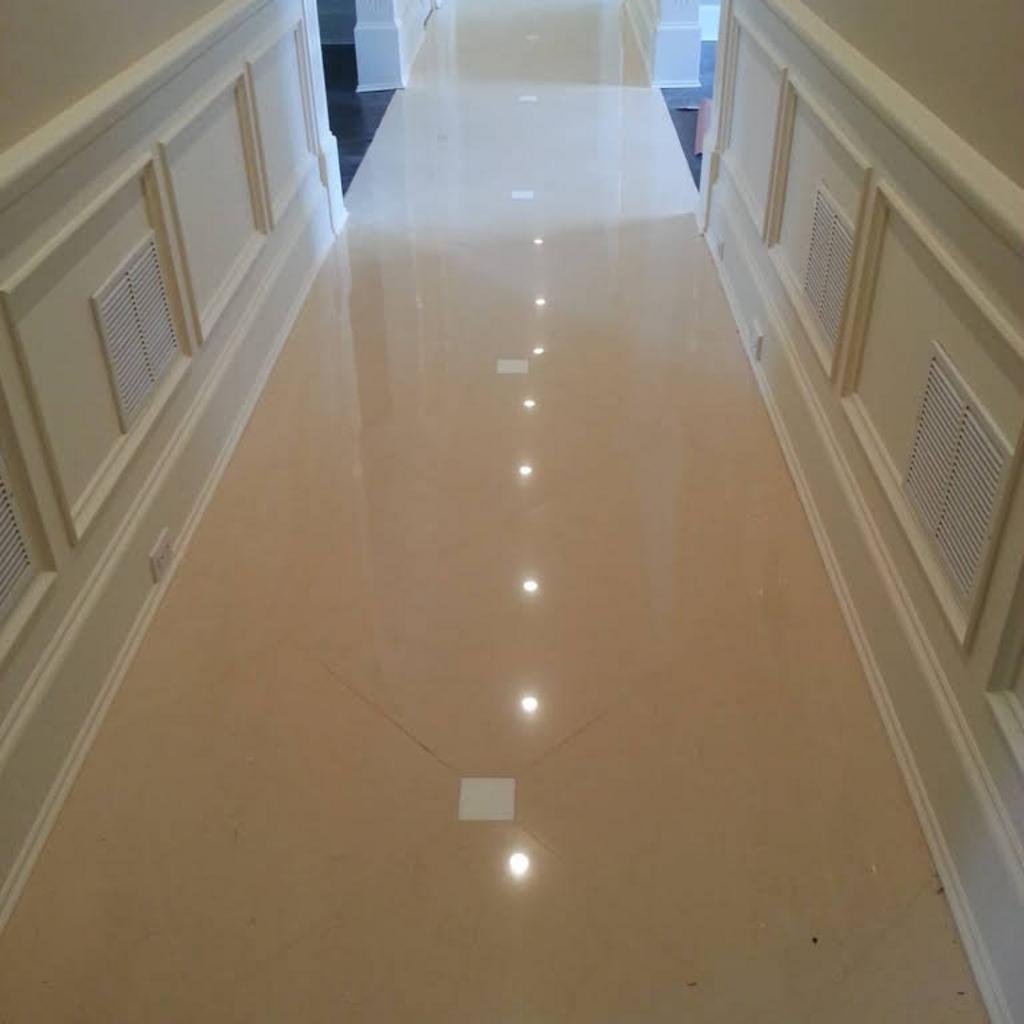
A strong kitchen and bathroom remodeling company will ask detailed questions before quoting. Verify what to confirm about bathroom remodeling scope before hiring a contractor. They want to understand your vision, your budget constraints, and your timeline. They'll discuss potential surprises, old plumbing, hidden structural issues, asbestos in older homes, before they start. This conversation matters because it separates contractors who plan ahead from those who discover problems mid-project and then charge you extra to fix them. Review their past work through photos and references from clients in your area. General Construction Pro specializes in exactly these kinds of full-scope renovations across Central and North Jersey.
How to Choose a Remodeling Contractor for Your North Jersey Home
Choosing the right contractor means evaluating multiple options side by side. Request detailed estimates from at least three companies. These estimates should break down labor, materials, timeline, and contingency allowances. A vague estimate that's just a number is a red flag. You need specifics so you can compare apples to apples.
Check online reviews and ratings, but read them carefully. One negative review doesn't disqualify a company, patterns do. If multiple customers mention the same issue, that's meaningful. Look for reviews that mention specific projects similar to yours. A company that excels at kitchen remodels might struggle with additions. The best kitchen and bathroom remodeling companies will have a portfolio of work in your area and references you can actually contact.
Ask how they handle project coordination. Will you have a dedicated point of contact? How often will they communicate? What happens if they encounter unexpected issues? A contractor who commits to weekly updates and a clear escalation process is more reliable than one who says "we'll call if there's a problem." You want predictability, not surprises.
Consider whether they offer design-build services. This approach means one team handles both design and construction, which simplifies decisions and reduces back-and-forth. Some contractors bring in external designers; others have in-house design expertise. Both can work, but design-build typically moves faster and reduces coordination headaches. For homeowners managing multiple projects at once, like a kitchen renovation plus a bathroom remodel, this matters significantly. Learn how to compare and coordinate multiple remodeling projects with one contractor.
Questions to Ask a Remodeling Contractor Before Hiring
Before you sign a contract, ask these specific questions. First: "What happens if you find asbestos, outdated plumbing, or structural issues during the project?" A good contractor has a protocol. They'll stop work, document the issue, provide options with pricing, and wait for your approval before proceeding. This protects you from bill shock.
Second: "Can you walk me through your communication process?" You should know exactly how often they'll update you, what channel they'll use, and who your primary contact is. A contractor who goes silent for two weeks is a contractor creating anxiety.
Third: "What's included in your estimate, and what's not?" Ask about permits, inspections, cleanup, and disposal. Some contractors bundle these in; others charge separately. You need to know the total cost picture upfront.
Fourth: "How do you handle change orders?" Scope creep happens. Materials go up in price. You see something mid-project you want to change. A professional contractor has a documented process for change orders that includes pricing and timeline impact. They don't just add work and bill you later.
Fifth: "What's your warranty on workmanship?" Reputable contractors stand behind their work. They should offer a clear warranty period, typically one to two years, for labor. Materials often carry separate manufacturer warranties.
Sixth: "Can you provide references from recent projects in my area?" Don't just ask for references; actually call them. Ask about timeline adherence, communication, and whether the contractor handled surprises professionally.
Remodeling Contractor License and Insurance: What You Need to Verify
This is non-negotiable, and it is where many homeowners get into trouble because they do not know what to check or where to check it. New Jersey does not issue a single generic "contractor license" for all remodeling work. Instead, the state requires home improvement contractors to register with the New Jersey Division of Consumer Affairs, and certain trades, electrical, plumbing, and HVAC, require separate licenses issued by the New Jersey Board of Examiners of Electrical Contractors, the State Board of Examiners of Master Plumbers, and the New Jersey Board of Examiners of Heating, Ventilating, Air Conditioning and Refrigeration Contractors, respectively. A kitchen or bathroom remodel typically involves all three trades, so the general contractor you hire should be able to show that the electrical, plumbing, and HVAC work will be performed by properly licensed trade contractors, or that the company holds those licenses in-house.
Free estimates: (609) 933-9324 →
Start with the Home Improvement Contractor registration. New Jersey requires home improvement contractors to register with the Division of Consumer Affairs and to display their registration number on contracts, estimates, and advertisements. You can verify a registration through the Division of Consumer Affairs online license lookup. Ask for the registration number in writing and check it yourself rather than accepting a screenshot. A legitimate contractor will not hesitate to provide it.
Next, verify trade licenses. For electrical work, ask for the electrical contractor's license number and confirm it through the Board of Examiners of Electrical Contractors. For plumbing, confirm the master plumber's license through the State Board of Examiners of Master Plumbers. For HVAC, confirm the license through the HVACR Board. If your contractor plans to subcontract these trades, ask which licensed firms will perform the work and get their license numbers before work begins. This matters because unpermitted or unlicensed trade work can fail inspection, void manufacturer warranties on appliances and fixtures, and create disclosure problems when you sell your home.
Insurance is equally critical, and it comes in two parts. General liability insurance protects you if the contractor damages your property or if a third party is injured during the project. Workers' compensation insurance covers the contractor's employees if they are injured on your property. Without workers' compensation, you could be exposed to liability for a worker's injury. Request certificates of insurance directly from the contractor's insurer or agent, not just a photocopy from the contractor, and confirm the policy is current and that the coverage limits are adequate for the scope of your project. If the contractor uses subcontractors, ask for their certificates as well, because a general contractor's policy may not cover subcontractor injuries.
Bonding is a separate layer. New Jersey's home improvement contractor registration program includes a surety bond requirement, which provides a limited remedy if a registered contractor fails to perform or violates the consumer protection rules. Bonding is not a guarantee of quality, but it is one more accountability mechanism. Ask whether the contractor is bonded and confirm the bond is current.
Finally, put the verification in writing. Ask the contractor to list their registration number, trade license numbers, insurance carrier, and bond information in the contract or as an attachment. A professional contractor will have this information ready. If any of it is missing or evasive, that is your answer.
Kitchen Remodel Timeline: What to Expect
How long is a kitchen remodel actually going to take? The answer depends on scope, but understanding typical timelines helps you plan your life around the project. A modest kitchen refresh, new cabinets, counters, and appliances with minimal structural changes, typically takes 6 to 10 weeks. A full kitchen renovation that includes moving plumbing, electrical work, and structural changes can run 12 to 16 weeks or longer.
Bathroom remodels follow a similar pattern. A straightforward bathroom renovation, new fixtures, tile, vanity, runs 4 to 8 weeks. A full gut renovation with structural changes, plumbing relocation, and waterproofing work extends to 10 to 14 weeks.
Why the range? Because hidden problems add time. Discovering outdated wiring, rotted framing, or plumbing that needs replacement can add weeks. A contractor who builds in a contingency buffer is being realistic, not padding the timeline. Discuss realistic timelines upfront and understand that quality work takes time. Rushing a project with kitchen bathroom remodeling companies to save a few weeks often means cutting corners on quality.
Kitchen and bathroom remodels vary in duration depending on the scope of work.
| Project Type | Typical Duration | Includes |
|---|---|---|
| Modest kitchen refresh | 6 to 10 weeks | New cabinets, counters, appliances |
| Full kitchen renovation | 12 to 16 weeks | Plumbing, electrical, structural changes |
| Straightforward bathroom renovation | 4 to 8 weeks | New fixtures, tile, vanity |
| Full bathroom gut renovation | 10 to 14 weeks | Plumbing relocation, waterproofing |
Red Flags When Evaluating Kitchen and Bathroom Remodeling Companies
Watch for these warning signs, and understand why each one matters under New Jersey rules and normal construction practice.
Demanding full payment upfront. Standard practice is a deposit to reserve the start date, with the balance due as work progresses and milestones are met. If someone wants a large share of the contract price before breaking ground, that is a risk. New Jersey's Home Improvement Contractor regulations require written contracts for home improvement work above a certain threshold and specify required contract terms, including the contractor's registration number, a description of the work, the total price, and the payment schedule. A contractor who resists putting a payment schedule in writing is a contractor you should not hire.
No written contract or a vague one. The contract should identify the contractor by legal name and registration number, describe the work and materials, state the total price and payment schedule, include the start and completion dates, and explain the contractor's warranty and the homeowner's right to cancel. If the contract is a one-page estimate with a signature line, ask for a full contract. If the contractor refuses, walk away.
No references and no portfolio. Legitimate companies have past projects they can show and clients willing to talk. Ask for references from projects similar to yours, a bathroom gut renovation is different from a cabinet refresh, and actually call them. Ask about timeline adherence, communication, and how the contractor handled surprises.
Vague or shifting timelines. "We'll start sometime in the spring and finish when it's done" is not a plan. A professional contractor commits to specific dates in the contract and explains what could cause delays, such as permit review times, material lead times, or hidden conditions discovered during demolition.
High-pressure sales tactics. A contractor who says the price is only good for 24 hours or that they are only in your area this month is using pressure to short-circuit your comparison process. Good contractors have full schedules and do not need to rush you.
Suggesting work without permits. If a contractor proposes doing work without permits to save time or money, walk away immediately. Permitted work is inspected, and unpermitted work can create liability issues, fail inspection, complicate future sales, and in some cases require demolition and rework. In New Jersey, local construction officials issue permits and inspect work, and the contractor should be able to explain which permits are required for your project.
Free estimates: (609) 933-9324 →
No workers' compensation or liability insurance. Ask for certificates and verify them. A contractor who cannot produce current certificates is a contractor who is shifting risk onto you.
Cash-only demands or reluctance to provide a receipt. A contractor who wants cash with no paper trail is creating a record-keeping problem for you and may be avoiding accountability. Pay by check or traceable method and keep receipts for every payment.
No physical business address or a P.O. box only. A legitimate contractor has a business location and can be found if something goes wrong. Verify the address and the registration number together.
Design-Build vs. General Contractor: Which Approach Works Best
Design-build means one company handles both the design phase and construction. You work with a single point of contact from initial concept through final walkthrough. Changes are easier because the same team manages design and execution.
A traditional general contractor approach means you hire a contractor to build to plans you've already developed, either with a separate designer or architect. This works well if you already have a clear vision and detailed plans. It also works if you want to bring in a specialized designer for a high-end project.
For homeowners undertaking multiple projects, a kitchen remodel plus a bathroom renovation plus an addition, having one team coordinate the whole scope can be valuable.
Getting Your Free Consultation and Moving Forward
You're ready to move forward when you've narrowed your options to two or three contractors you trust. At that point, request a detailed consultation. The best kitchen and bathroom remodeling companies offer free consultations where they walk through your space, discuss your goals, and outline the scope of work.
During the consultation, bring photos or inspiration images of designs you like. Discuss your budget honestly. A good contractor will tell you if your timeline or budget doesn't align with your vision and will suggest alternatives. They'll also explain what's included in their estimate and what assumptions they're making.
General Construction Pro offers free project consultations to homeowners in Central and North New Jersey planning kitchen, bathroom, or other home renovations. Schedule a consultation with General Construction Pro to discuss your kitchen remodeling project, or book a consultation for bathroom remodeling if you're planning a bathroom renovation. Our team will walk through your space, understand your vision, and provide a detailed estimate with no obligation.
After your consultations, compare the estimates side by side. Look beyond the price. Consider the timeline, the contractor's communication style, their approach to problem-solving, and your confidence level in their ability to deliver. The lowest bid isn't always the best value. A contractor who listens to your concerns and explains their process thoroughly is often worth a modest premium.
Choosing a kitchen and bathroom remodeling contractor is one of the most important decisions in a home renovation project. A reliable contractor with clear communication, proper licensing, and a strong track record will transform your space while minimizing stress. Take time to evaluate multiple options, verify credentials, and ask the right questions. General Construction Pro brings licensed expertise, transparent project management, and dedicated craftsmanship to kitchen, bathroom, and full-home renovations across Central and North New Jersey. Get started with a free consultation and see how we can turn your remodeling vision into reality.
Frequently Asked Questions
How do I verify that a remodeling contractor is licensed and insured?
Ask for proof of a current New Jersey contractor license and request copies of their liability insurance and workers' compensation certificates. You can verify a contractor's license status through the New Jersey Division of Consumer Affairs. A legitimate contractor will provide this documentation without hesitation. Never hire someone who refuses to show proof of licensing or insurance, as you could be liable for injuries or incomplete work.
What should I ask a remodeling contractor during the initial consultation?
Ask about their experience with kitchen and bathroom projects, how they handle unexpected issues like hidden water damage or outdated plumbing, their timeline estimate, how they communicate during the project, references from recent clients, and what's included in their written contract. Request a detailed estimate that breaks down labor, materials, and timeline. Understanding their process upfront prevents surprises and miscommunication later.
How long does a typical kitchen remodel actually take?
A kitchen remodel timeline depends on scope: minor updates may take 4-6 weeks, while a full kitchen renovation with new cabinetry, countertops, and appliances typically takes 8-12 weeks. Bathroom remodels usually run 4-8 weeks. Delays can occur if contractors discover structural issues, plumbing problems, or electrical code violations during demolition. Your contractor should provide a realistic timeline in writing and communicate any changes immediately.
What makes one kitchen and bathroom remodeling company better than another?
Top-rated companies combine licensed credentials, transparent communication, detailed written contracts, and a portfolio of completed work in your area. They provide free consultations, handle permits and inspections, stand behind their work with warranties, and respond promptly to your questions. Read recent customer reviews focusing on communication, timeliness, and how the company handled unexpected issues, these reveal how they actually work, not just what they claim.
